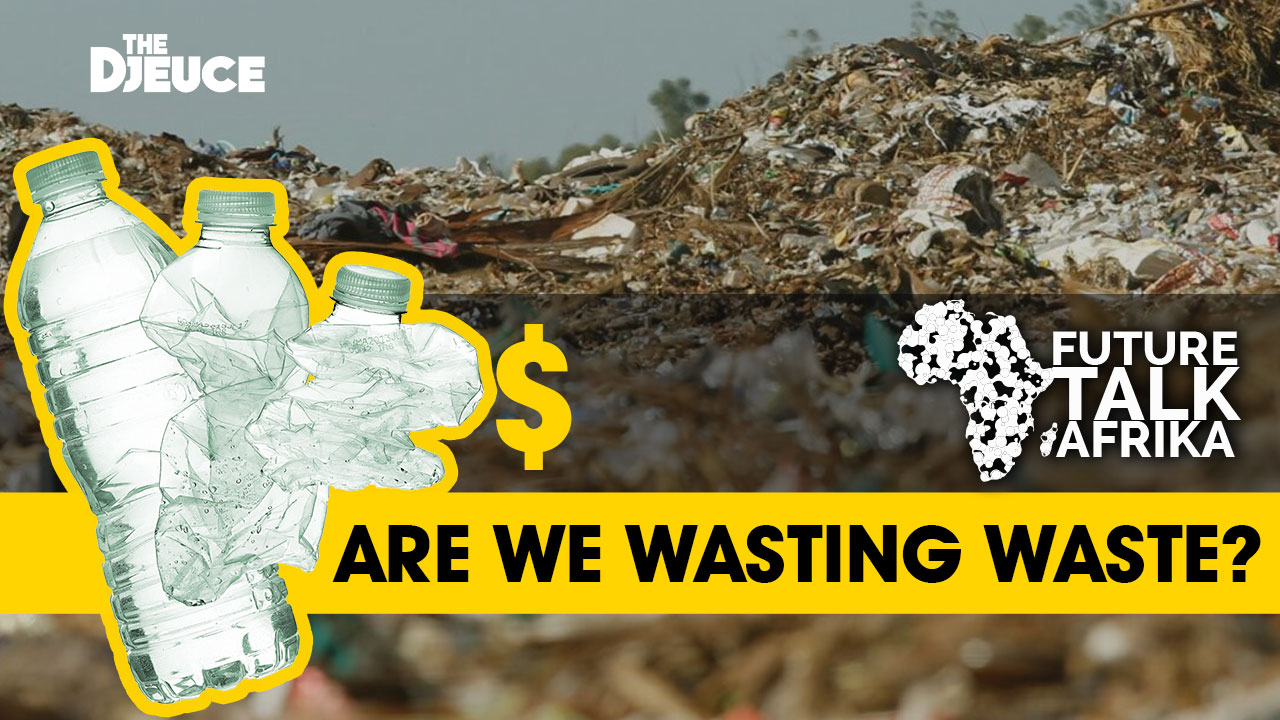
They say one man's trash is another man's treasure, and that saying rings true in waste management.
If you've lived in Harare, you're no stranger to the headline "Pomona dumpsite on fire," or the methane smoke that comes with it. What's happened at Pomona since is worth following closely: in 2022, Harare City Council was pushed into a deal with Dutch-registered company Geogenix BV (operating locally as Geo Pomona) to build a 22-megawatt waste-to-energy plant there. The deal never went to tender, received no environmental approval, and has been the subject of ongoing corruption allegations, while ratepayers foot a bill reported at close to $3 million a month, the actual power plant remained under construction as of early 2026, years after it was first announced.
That's a shame, because the underlying idea has real potential. In more developed countries such as Sweden, waste is used to generate electricity, and Sweden even imports rubbish from other countries to keep its plants supplied. Effective waste management also creates jobs, since labour is needed at every stage of processing, and by-products can include organic fertilizer, biogas, pavers, and building material.
Africa already has real examples worth learning from. In Kenya, engineer Nzambi Matee founded Gjenge Makers, a company that turns waste plastic and sand into paving bricks reported to be five to seven times stronger than concrete, work that won her a UN Young Champion of the Earth award. And Ethiopia's Reppie plant, Africa's first waste-to-energy facility, has been supplying around 30% of Addis Ababa's household electricity needs since 2018 by burning roughly 80% of the city's daily waste.
Whether Pomona ends up looking more like Reppie or more like a cautionary tale depends entirely on transparency, the technology clearly works elsewhere. Given how much of the continent still struggles with reliable electricity and overflowing landfills, it's worth getting right.
Sources
Researched and drafted with the help of AI tools, then fact-checked and edited by our team. How we work.