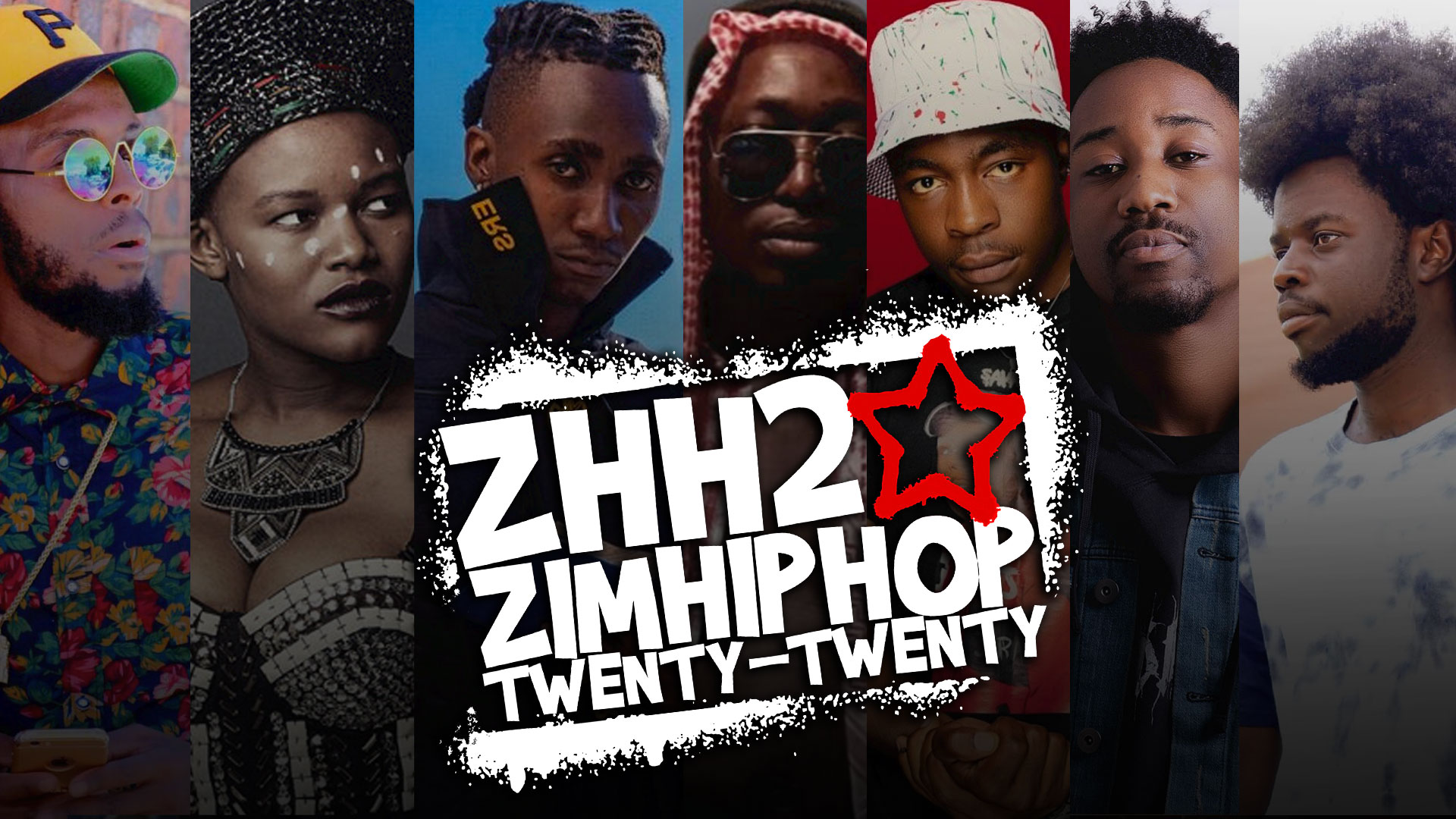
It's no secret that 2020 was a dark year for the world at large, we lost friends and family to COVID and are still trying to find our footing in the new normal. But for Zim hip hop, 2020 was different: a year filled with bittersweet moments. Here's a rundown of some of the events that shaped it.
The Gze and Noble Styles beef kept the whole country's data juiced as the two exchanged verbal blows on wax, without getting into the politics of the dispute, their back-and-forth dominated airwaves and social media and sparked fierce debates about lyricism, character, and integrity, even pulling in comedian Carl Joshua Ncube. Gze and Noble Styles have since buried the hatchet, but the beef did real work for the genre's visibility.
Just when we thought the beef was the only highlight to look forward to, Holy Ten dropped "Ndaremerwa." Even though he'd been around for a while, this was the song that put the deep, raspy-voiced rapper into the limelight, a heartfelt lament about youth unemployment, crime, and drug use that spread across social media and connected with people on a personal level. It went on to win Song of the Year, People's Choice, and Best Newcomer at the 2020 Zim Hip Hop Awards. Holy Ten followed it up with "Ghetto Rangu" and "Mwana Ndakubirai," carrying the momentum into 2021.
Just as we were still processing "Ndaremerwa," Karizma came through with "Already." Even released as a freestyle, it shed a lot of light on Zimbos' daily struggle and connected with the masses, strengthening the genre's conscious voice, I discovered it shared in a WhatsApp group by someone who isn't even a hip hop head, which is when I knew it was a sure winner.
Then a lighter moment struck when Minister Mahendere dropped a "Serendipity" rap on a Nash TV special, laughable, yes, given he was rapping the actual definition of "serendipity," but at that point I couldn't help but notice the culture's reach.
After that lighter moment, tragedy struck. Bulawayo rapper Cal_Vin (real name Calvin Nhliziyo) died on 25 October 2020, hit by a car near his home in Luveve in an alleged hit-and-run. He'll always be remembered for his outspokenness and love for the City of Kings. Cal_Vin was also the local rapper who caught South African star Cassper Nyovest's attention organically, Cassper heard his hit "Zikhuphani" on radio and reached out himself to do a remix, a rare case of the international artist approaching the local one rather than the other way around.
Enter Asaph, who seemed to pick up from where Cal_Vin left off. Every track and feature Asaph was involved in during 2020 slapped, and he led the 2020 Zim Hip Hop Awards with four wins before becoming the first Zimbabwean hip hop act, and first artist from Bulawayo, shortlisted for an MTV Africa Music Award, in the Listeners' Choice category for 2021.
Speaking of world stages, King 98 scored a major point for the country with a diamond/platinum-certified feature, I'll admit I had a hard time reading his strategy when he first stepped on the scene, but it's made sense since. Visibility for the country is a huge plus for the genre.
Van Choga had to be the most talked-about artist of 2020 for various reasons, but the young man showed method to the madness when he came through with a hip hop joint on a NashTV riddim. No one saw that coming, and plenty of people said they liked him more as a rapper than a dancehall artist, I think we can have both. After public outcry for an album, Awa came through with the single "Ngeke Bengimele," proving she's not to be messed with and can take out your favourite emcee.
A few things made it work for Zim hip hop that year: collaboration, which allowed for a unique sound and the ability to tap into audiences outside hip hop; visuals, with far more good-quality videos than in the past; and image, with the newer generation developing a look that really works for them.
Sources
Researched and drafted with the help of AI tools, then fact-checked and edited by our team. How we work.