Hitler's Holocaust killed roughly 6 million Jewish people over 12 years, and it's rightly remembered as one of history's defining atrocities. Far fewer people know the name King Leopold II, the Belgian king whose personal rule over the Congo is estimated by historians to have killed around 10 million Congolese people over 23 years.
A king's private colony, not a country's
What makes Leopold's case unusual is that the Congo Free State wasn't a Belgian colony at all, at least not at first. At the 1884-85 Berlin Conference, where European powers, organised by German chancellor Otto von Bismarck, met to divide up Africa among themselves, Leopold personally secured international recognition for the Congo as his own private property, not Belgium's. He ran it for the next 23 years as a business, extracting rubber and ivory through forced labor enforced with mutilation, killing, and terror. Belgium's government only annexed it as an official colony, the Belgian Congo, in 1908, after mounting international outrage over the atrocities forced Leopold to give it up.
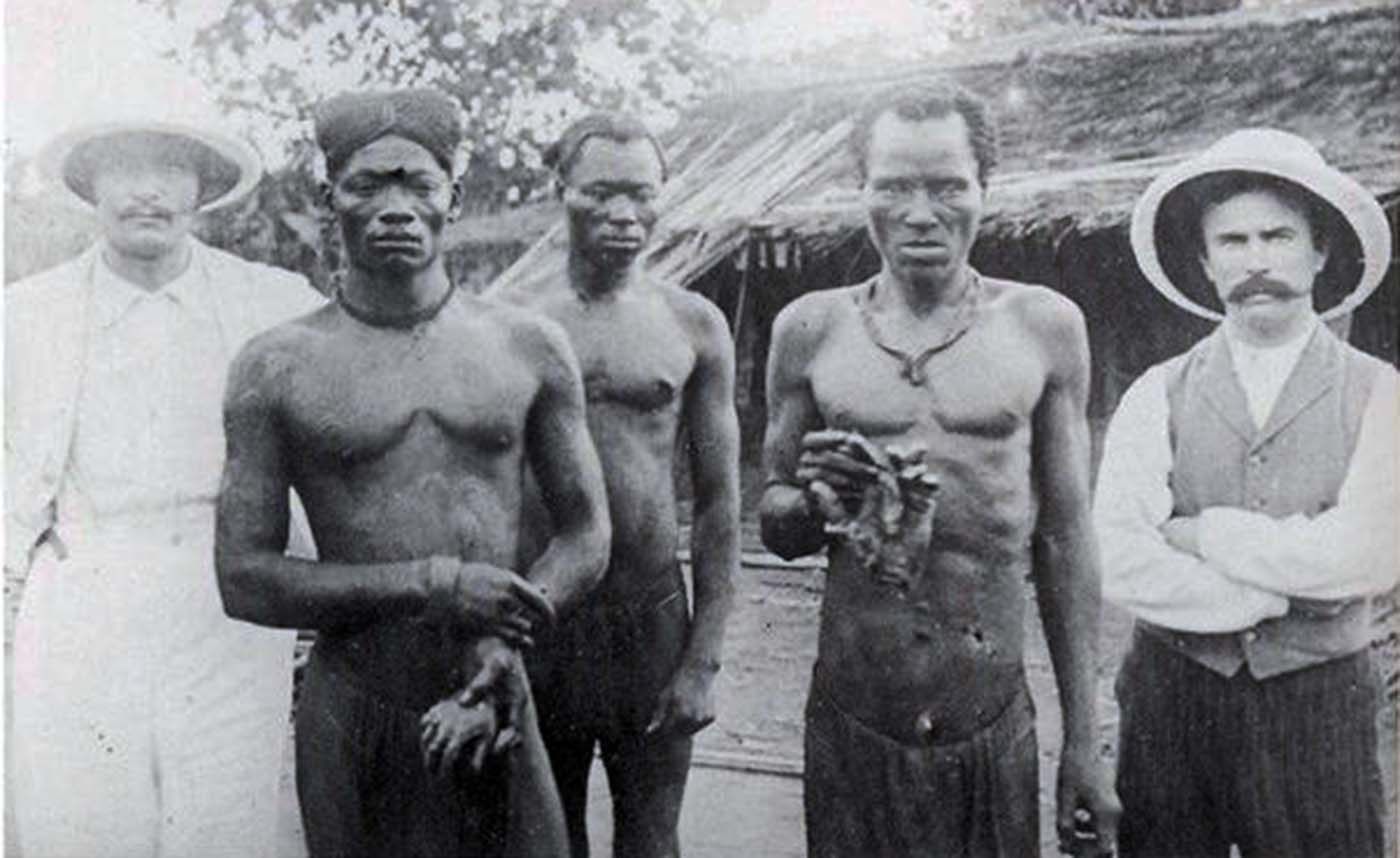
Historians' estimates of the death toll vary, partly because reliable population records from the period don't exist. Working from population-collapse data, historian Adam Hochschild and demographers including Jan Vansina put the toll at around 10 million, roughly half the region's population at the time, while other researchers have proposed figures both lower and higher. What isn't disputed is the scale and deliberateness of the violence: quotas for rubber and ivory were enforced with lashings, mutilation (including the severing of hands), and killing, carried out by Leopold's private police force, the Force Publique.
A reckoning that's still unfinished
The reckoning has been slow. It wasn't until 2020, during a wave of global protests over racial injustice, that Belgian demonstrators tore down several statues of Leopold II, and Belgium's King Philippe wrote to Congo's president expressing his "deepest regrets" for the violence, though he stopped short of a formal apology. Belgium has since begun returning some of the tens of thousands of Congolese artifacts and artworks taken during the colonial period, including human remains and objects held in its state museums, though restitution is proceeding case by case and slowly.
Sources
Researched and drafted with the help of AI tools, then fact-checked and edited by our team. How we work.