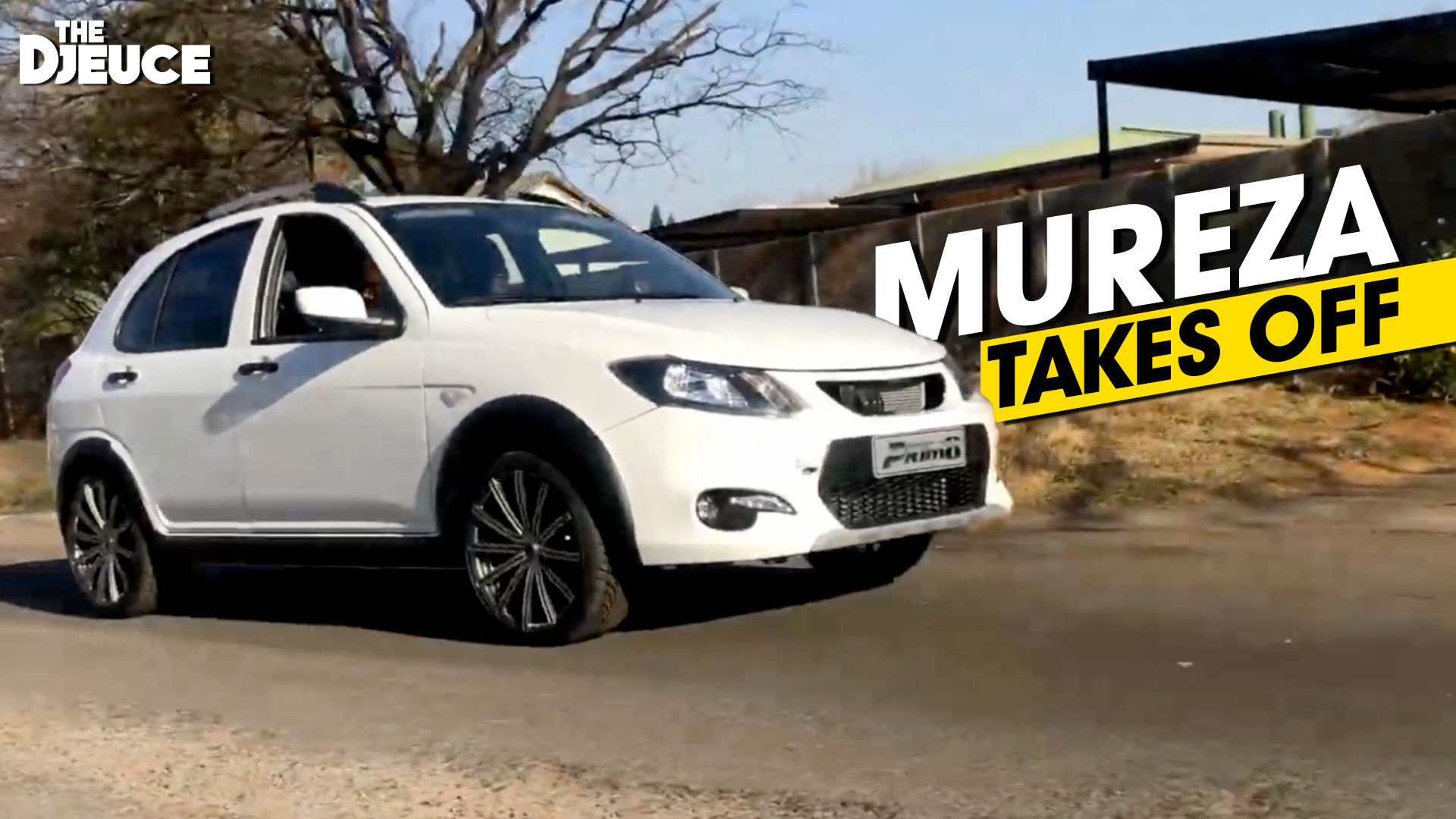
Mureza Auto, a Zimbabwean-founded car company billed as Southern Africa's first Black-owned vehicle manufacturer, announced in July 2021 that it would deliver its first 100 cars to customers in Zimbabwe and South Africa, the Prim8, a compact SUV built in partnership with Harare's Willowvale Motor Industries. Pricing was set at $13,500 for the Zimbabwean market and R196,000 in South Africa, with a $3,000 deposit to pre-order. Mureza CEO Tatenda Mungofa framed it as the start of an affordable, durable, made-in-Africa vehicle brand.
What actually happened
The rollout didn't go as announced. As of 2023, Mureza had reportedly not yet delivered a single vehicle to a customer, years after that first "100 cars" promise. The company has continued to announce new plans since: a 2024 pre-order push for a new model called Shona, and, in May 2025, an announcement that it would relocate its headquarters and build a manufacturing plant in Beatrice, Zimbabwe, to produce two new models, the Shona sedan and T-One pickup, in both electric and combustion versions. Mureza says its order book holds around 20,000 pre-orders from across the region.
The company, first registered in 2011, has now spent well over a decade announcing launches without a confirmed public delivery. Worth watching, but worth a healthy dose of "we'll believe it when we see it" too.
Update, September 2026
Mureza's Executive Chairman said in a September 7, 2026 update that the company has spent recent years acquiring, rather than only building, saying "it's not enough to build just one company" and that manufacturing a car sustainably requires a whole value chain of businesses. Mureza says it has acquired three assets to back that up: Auto Alliance Zimbabwe, for aftermarket vehicle maintenance and repair, Kuta Powertrains, to manufacture engines, electric motors and transmissions, and Kalisk Africa, for energy and infrastructure planning, framed as covering vehicle servicing, spare parts, in-house engines and motors, and EV charging. The company describes this as roughly 10% of a planned acquisition strategy, with a target of scaling employment from 30 to at least 5,000 jobs in Zimbabwe over the next three years. Renovation of Mureza's Harare showroom has also begun, which the company says is in preparation for a launch before the end of 2026. As with previous Mureza announcements, these are company claims rather than independently confirmed milestones.
Sources
Researched and drafted with the help of AI tools, then fact-checked and edited by our team. How we work.