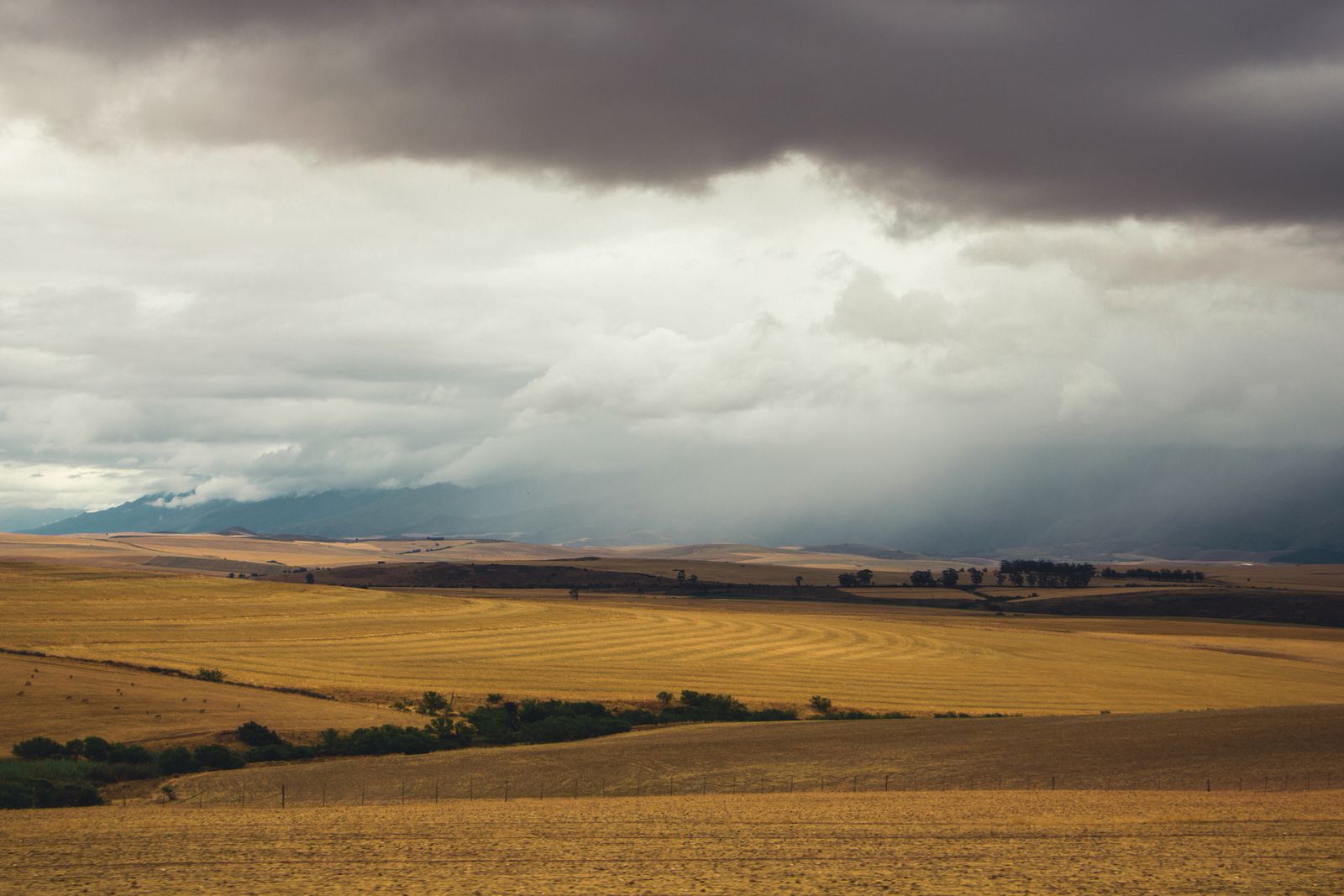
Photo: Storm clouds over dry farmland, by Jennifer Grube via Pexels.
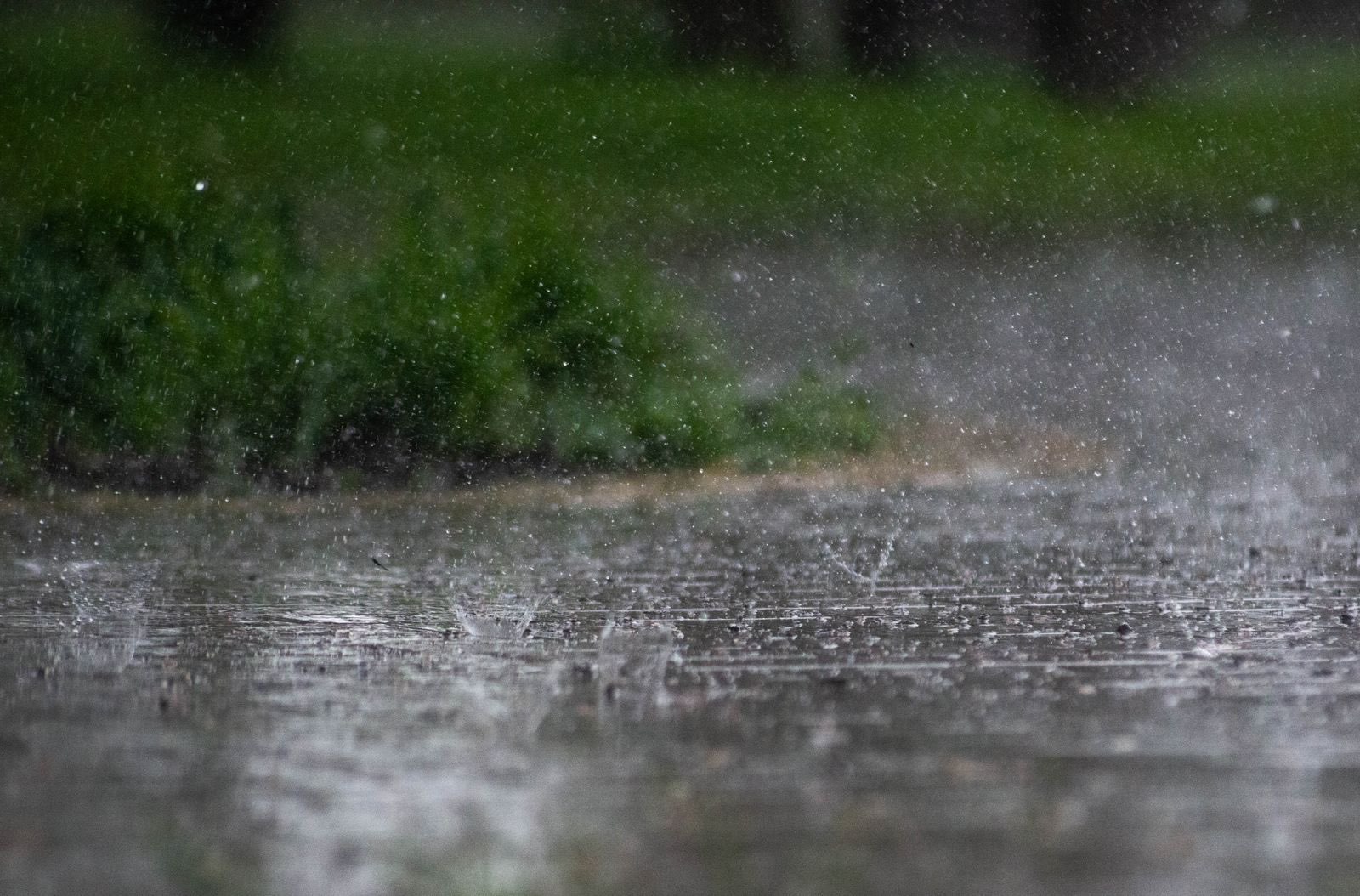
Zimbabwe is in for a wet, noisy few days. The Meteorological Services Department (MSD) has forecast scattered rain, thunderstorms, lightning and strong winds across the country from today, Tuesday 29 September, through to Thursday 1 October. For farmers the message comes with a catch: use the water, protect what you have in the field, but don't mistake this for the start of the rainy season.
Where and when
According to the advisory, issued with the Department of Civil Protection and reported by ZimLive, rain with thunder and lightning was expected to reach parts of Masvingo on Tuesday morning before spreading to other provinces later in the day. On Wednesday the rain is forecast mainly for Masvingo, Matabeleland South and southern Manicaland, with thunderstorms possible elsewhere.
Most places will see scattered showers rather than a soaking, but 263Chat reports the MSD expects localised downpours of more than 30mm in some areas. The department puts the weather down to cool, moist south-easterly winds meeting a system higher up in the atmosphere, which also means cloudy, cooler days.
Lightning and wind are the real danger
The MSD is asking people to take lightning seriously. That means staying away from open ground during a storm and not sheltering under trees or near tall poles. It has also warned of flash flooding in low-lying areas, near rivers and in towns where drains back up quickly.
Strong winds are the other worry. The department says they can damage crops, tear off roofing, knock down weaker structures and uproot trees, so it is worth checking loose roof sheets, tying down anything that can blow away and bringing animals into shelter when a storm builds.
What farmers are being told
For farmers the advice is threefold: capture the water, protect crops and livestock, and don't rush to plant.
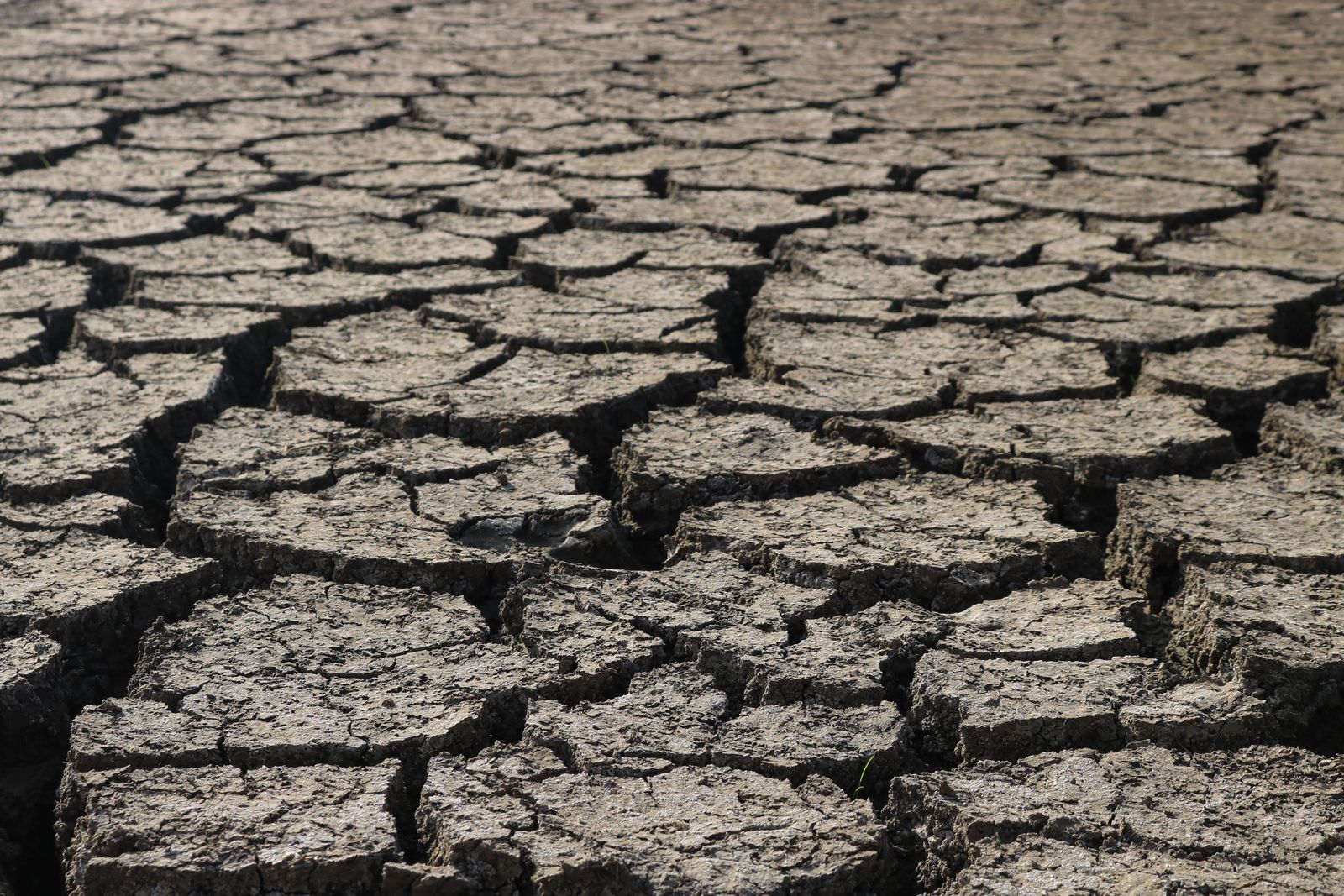
Capturing the water makes sense in a year like this one. Rain that runs off into the nearest gully is wasted, while rain caught in tanks, ponds, tied ridges or planting basins can top up soil moisture and give livestock something to drink as the dry heat returns. FAO and the Ministry of Agriculture have been pushing water harvesting as a priority since June, when they met in Harare to plan ahead of an expected El Niño season.
Protecting crops matters most for anyone with winter wheat or barley still standing. The MSD warned that rain during grain filling and maturity can lower grain quality, and that the extra moisture raises the risk of fungal disease. Farmers close to harvest should keep an eye on their fields and get dry grain under cover.
The warning against early planting is the most important part. Speaking to The Herald last week, after an earlier burst of unseasonal rain, MSD deputy director for public weather services Isaac Masawana said the showers came from a cloud system moving in from the west and were normal weather variability. He was just as clear about this week's rain: "This has nothing to do with the start of the season. We are still far away from the season onset." Seed planted into a few days of moisture can germinate and then die when hot, dry weather comes back, which means buying seed twice in a season when money is already tight.
A dry season still ahead
Late September rain can make the season ahead look better than it is. The official outlook points the other way. The SARCOF-33 forecast, agreed by regional weather services in Namibia in August and reported by The Herald, projects below-normal rainfall for most of Zimbabwe from October 2026 to March 2027, with above-normal temperatures. The MSD has put the chances of El Niño developing at 88 to 94 percent, and forecasters expect it to peak between October and December, right when the main crop would usually go in.
The government has answered with a six-pillar drought plan that includes grain reserves, climate-smart farming, livestock protection and cloud seeding. Agriculture Minister Anxious Masuka described cloud seeding to 263Chat as just "one component of a broader drought response". On the ground, many smallholders are already adjusting. Xinhua reports that farmers at this month's Good Seed and Food Festival in Harare were promoting sorghum, millet and cowpeas, with one Chimanimani farmer pairing traditional seed with water harvesting to make the most of limited rain.
What it means for you
If you farm, treat this week as a chance to fill tanks and dams and to finish land preparation, not as a signal to plant. Wait for the MSD to declare the season's onset, which it says will be based on established weather indicators rather than one-off storms, and consider early-maturing or drought-tolerant varieties when you do plant.
If you live in town, the next three days call for the basics: stay indoors when lightning is close, keep away from flooded roads and fast-flowing streams, and secure anything the wind can carry off. The MSD rates the chance of this weather arriving as high and its overall impact as low, but lightning strikes do not need a big storm to be deadly.
Sources
- Met Services warns of thunderstorms, strong winds from Tuesday, ZimLive
- MSD Warns of Heavy Rains, Lightning and Strong Winds, 263Chat
- Early rains a passing storm: MSD, The Herald via Zimbabwe Situation
- Zimbabwe braces for hotter, drier 2026/27 summer, The Herald via Zimbabwe Situation
- Zimbabwe strengthens agricultural coordination and anticipatory action ahead of the 2026/27 season, FAO
- Zimbabwe Turns to Cloud Seeding as Drought Threat Looms, 263Chat
- Zimbabwean farmers adopt drought-tolerant crops for resilience, Xinhua
Researched and drafted with the help of AI tools, then fact-checked and edited by our team. How we work.