
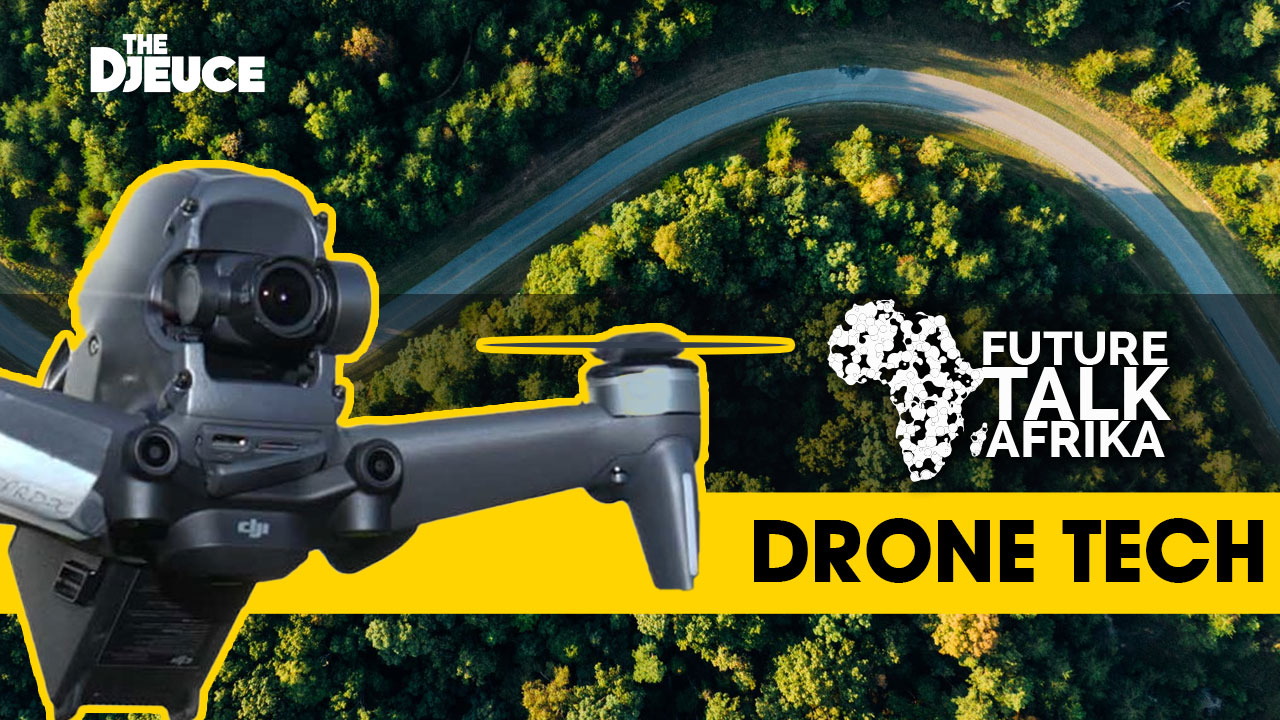
In this episode we looked at drone technology and the new opportunities developing across different industries, and years later, "mainstream" is no longer a prediction, it's the actual state of the delivery-drone business.
Zipline's African roots
The clearest proof is Zipline, which started in Rwanda in 2016 delivering blood to hospitals by drone. It has since grown into one of the world's largest autonomous delivery networks, now serving over 4,800 health facilities and roughly 49 million people across Rwanda, Ghana, Côte d'Ivoire, Nigeria, and Kenya, making a delivery every 60 seconds. The impact has been measurable: studies have linked the service to reductions in maternal mortality of up to 51% in Rwanda and 56% in Ghana, alongside far fewer stockouts of essential medicines. In November 2025, Zipline announced a partnership with the US Department of State backed by up to $150 million to expand further across the continent.
Delivery drones go mainstream in the US too
Zipline isn't alone. Amazon's Prime Air is targeting nearly 500 US cities and towns for drone delivery, alongside competing efforts from Walmart, DoorDash, Uber, and Google's Wing. What started as a Rwandan medical-supply experiment has become a genuine logistics category, with the same underlying technology now moving everything from vaccines to takeout orders.
Sources
Researched and drafted with the help of AI tools, then fact-checked and edited by our team. How we work.