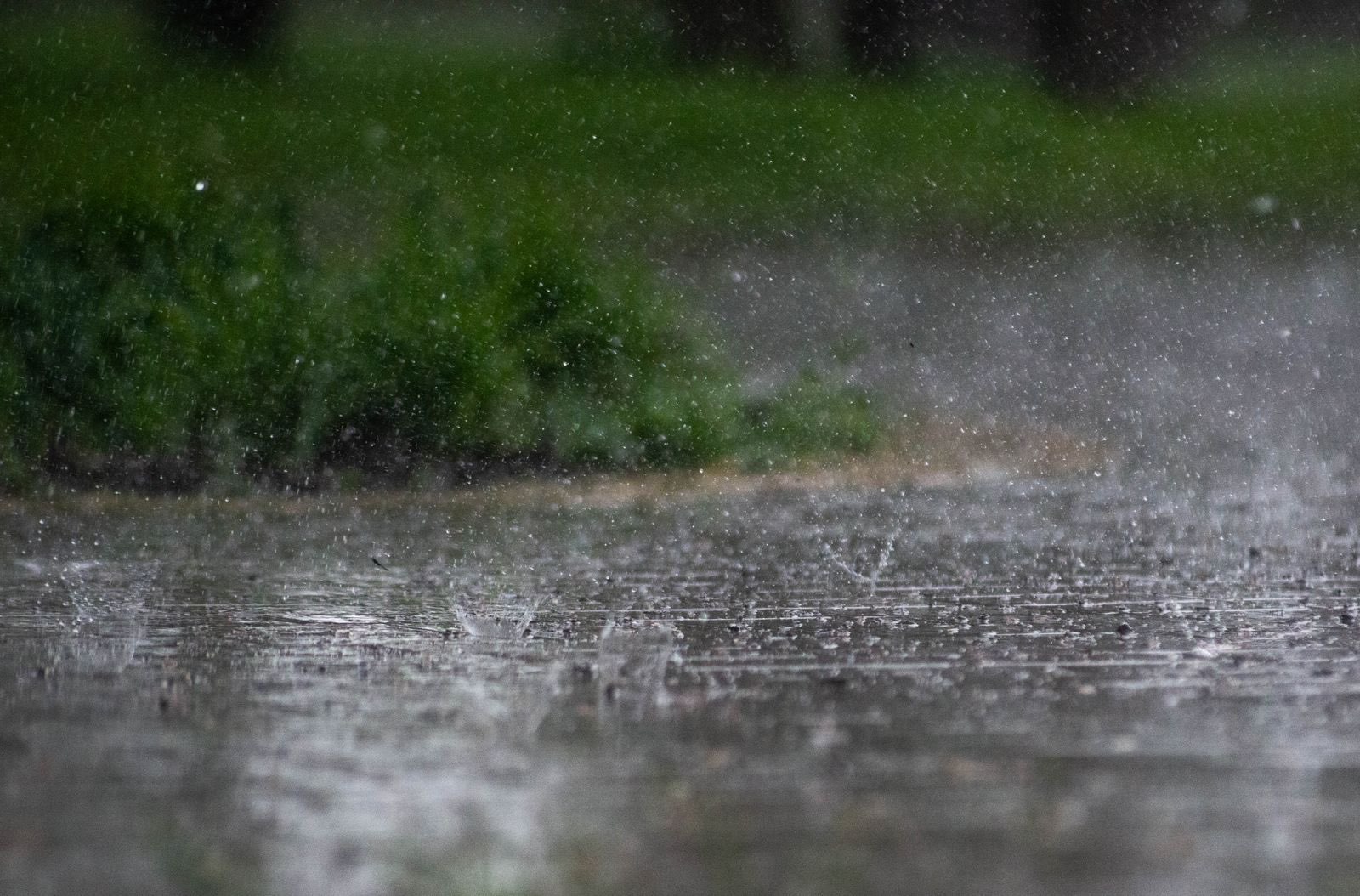
Masvingo is counting the cost of one of the worst storms residents can remember. Shortly after 5pm on Monday 5 October, heavy rain, strong winds and hailstones the size of ice chunks swept through Masvingo City and nearby rural areas, ripping roofs off houses, smashing car windscreens and flooding streets. By nightfall, families who had been sitting down to supper were looking for somewhere dry to sleep.
How bad is the damage?
The numbers are still moving, because assessments only began on Tuesday morning. What we know so far:
- About 60 households hit. Civil Protection Unit chief director Nathan Nkomo told NewZimbabwe the department had received calls from 60 affected households. ZimLive, citing preliminary reports, put the number of houses that lost their roofs at more than 60.
- Homes left open to the sky. Beyond roofs blown off, windows, sliding gates, solar panels and other household installations were damaged or destroyed outright, according to ZimLive.
- Cars battered. 263Chat reports that hail left vehicles visibly dented and, in some cases, with shattered windows, while ZimLive says dozens of cars had their windscreens broken.
- Flash flooding and fallen trees. The downpour flooded several areas of the city, and the wind uprooted trees, one of which damaged a car.
- Beyond town. 263Chat says rural communities around the city, including Renco, were also hit, with some families forced into temporary shelter while they worked out what could be saved.
The good news is that nobody was hurt. Nkomo confirmed no injuries had been recorded.
What help is in place
Masvingo City Council moved quickly on the first night. Mayor Aleck Tabe called the damage "significant and deeply distressing", saying his biggest worry was the families left with homes exposed to the weather overnight. The council opened Mucheke Hall and Rujeko Hall as temporary shelters, and both halls are also storing furniture and household goods so they are not ruined by the next downpour.
The council is working with the Masvingo District Civil Protection Unit to assess the damage and work out what each household needs, and the mayor has asked residents to check on elderly and vulnerable neighbours.
What has not been announced yet is money or materials. There is no word so far on roofing sheets, tents, food or cash transfers, which is usually the second stage once assessments are done. There is a precedent: after windstorms tore through Mwenezi in early 2019, The Herald reported that government released US$56,000 through the local Civil Protection Unit to pay affected families directly, while the Zimbabwe Red Cross Society supplied tents and food. Families in Masvingo will be watching for something similar, and fast, because the rainy season proper has not even started.
Was there a warning?
Sort of, and that is the problem.
The Meteorological Services Department (MSD) did warn about this kind of weather, and it singled out Masvingo. Its advisory, issued with the Department of Civil Protection and reported by ZimLive, said rain, thunder, lightning and strong winds would reach parts of Masvingo first, with localised downpours of more than 30mm, and it warned that strong winds could tear off roofs and knock down weaker structures. We covered that advisory at the time.
But that advisory ran from Tuesday 29 September to Thursday 1 October. The storm came four days later. None of the reports from Monday night mention a fresh, specific warning for Masvingo on 5 October, and residents describe the storm as arriving suddenly. Hail is notoriously hard to forecast precisely, and a single thunderstorm cell can flatten one suburb and leave the next untouched. Even so, a general weekly advisory that expired days earlier is not the same as a warning that reaches your phone an hour before the ice starts falling.
This is not Masvingo's first lesson either. In January, flooding killed at least 70 people across Zimbabwe and destroyed more than 1,000 homes, according to the Department of Civil Protection as reported by Xinhua, with Masvingo among the four worst-hit provinces listed by risk analysts JBA. And in December 2023 The Herald reported that Masvingo City Council was relocating 23 families in Runyararo West whose stands had been allocated where two streams meet, after three years of flash floods. Then town clerk Edward Mukaratirwa blamed new building in Victoria Ranch, the area's main catchment, warning that flooding there would only get worse.
How we improve disaster response
Monday's storm was not a huge disaster by national standards, but it shows the weak points clearly. Here is where the fixes are.
1. Finish the law. Zimbabwe still runs disaster response under the Civil Protection Act of 1989. A Disaster Risk Management and Civil Protection Bill meant to replace it has been in the works for years. In July 2025, Parliament's portfolio committee chair Maxmore Njanji said the drafting had missed its 30 June deadline because the Department of Civil Protection had raised only US$20,000 of the US$60,000 needed, according to Zimbabwe Now. The bill would set up disaster funds at provincial and district level, so a council like Masvingo's would not have to wait for Harare before buying roofing sheets. A gap of US$40,000 is small next to the cost of 60 roofs.
2. Make warnings local, timely and impossible to miss. Weekly advisories in newspapers are useful for planning, but they do not save a roof. Short-notice alerts, pushed by SMS and WhatsApp to people in the storm's path and repeated on community radio, would give families time to tie down roof sheets, park cars under cover and move children indoors. Mobile networks already send bulk messages, so the barrier is coordination, not technology.
3. Build roofs that stay on. Many of the roofs lost on Monday were blown off, not punched through. Proper roof ties, hurricane straps and enough nails cost far less than a new roof, and councils can check for them when they approve building plans. Low-cost retrofitting drives, where builders go door to door before the rains, would help most in older suburbs.
4. Fix the drains and stop building in waterways. Flash flooding in Masvingo keeps coming back to clogged drains and homes on flood-prone land. Clearing drains before the first rains, and refusing stands in catchments like Victoria Ranch, is cheaper than relocating families after the fact.
5. Spend before, not after. ActionAid Zimbabwe, pushing for the new bill last October, argued that every US$1 put into resilience and preparedness can save around 13 times that amount in future losses, and that most disaster losses in Zimbabwe are uninsured. Its case is that government needs to move from reacting to emergencies to planning for them, with communities involved in that planning from the start.
What happens next
Assessments by the council and Civil Protection should give a firmer count of damaged homes in the coming days, and that is when we will know what support, if any, is coming. Meanwhile, the MSD's own seasonal outlook points to a hot, dry El Niño season with below-normal rainfall, which can sound reassuring. It shouldn't. Dry seasons still bring violent thunderstorms, and Monday's hail fell before the season has officially started.
If you live in Masvingo and your home was damaged, contact the city council or report to Mucheke or Rujeko Hall so you are counted in the assessment. And wherever you are, this is the week to check your roof sheets, clear your gutters and drains, and keep an eye on MSD updates as the rains build.
Sources
- Hailstorm leaves trail of destruction in Masvingo as homes, cars damaged, 263Chat
- Hailstorm rips roofs off Masvingo homes, damages cars amid flash-flooding, ZimLive
- Severe hailstorm leaves 60 households counting losses in Masvingo, NewZimbabwe
- Met Services warns of thunderstorms, strong winds from Tuesday, ZimLive
- Over 200 dead as heavy rains, flooding batter Southern Africa, Xinhua
- Floods in Southern Africa: January 2026, JBA Risk Management
- Masvingo City Council to relocate 23 families from flood-prone suburb, The Herald
- $60k for Mwenezi storm victims, The Herald
- US$60,000 needed to finalise disaster bill, Zimbabwe Now
- ActionAid Zimbabwe calls for timely finalisation of the Disaster Risk Management and Civil Protection Bill, ActionAid Zimbabwe