
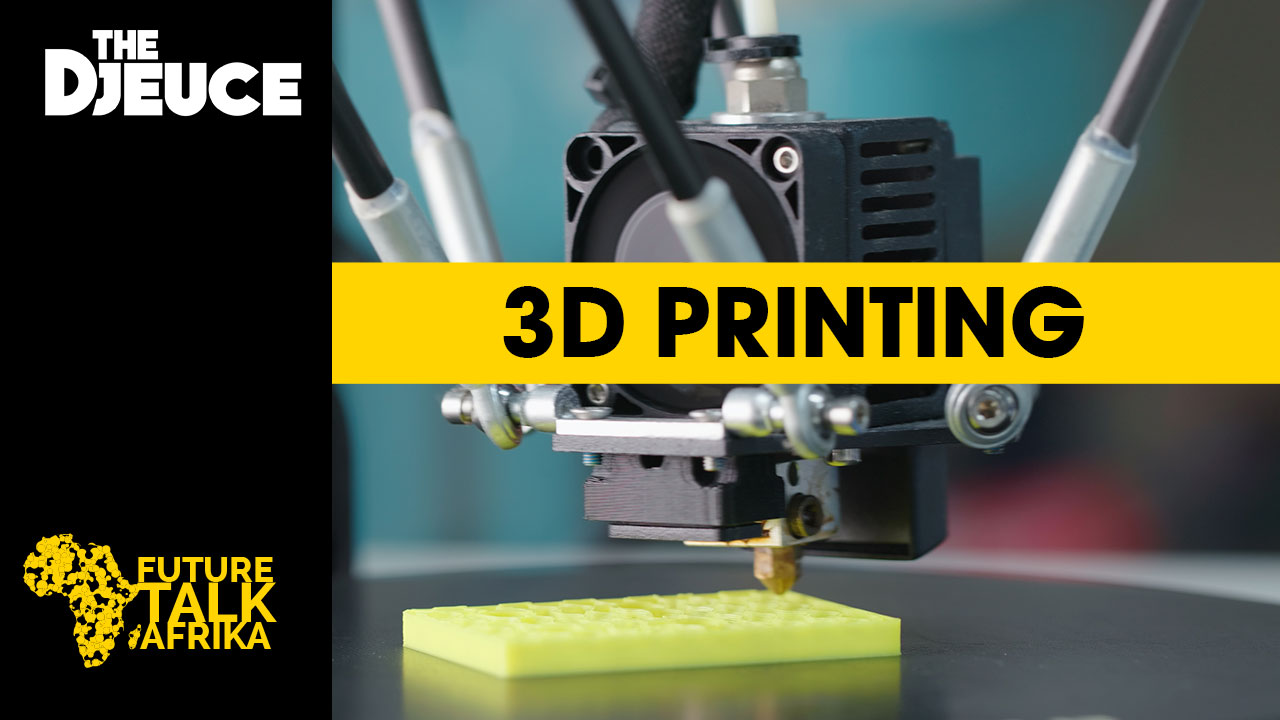
Elliot took a brief look at the emerging technology of 3D printing and how it was changing industries from design to manufacturing to health, and in the years since, it's stopped being emerging and started being infrastructure.
Building rockets
Relativity Space builds its Terran R rocket largely from 3D-printed parts, including its engines, and is targeting the vehicle's debut launch in 2026 from Cape Canaveral. SpaceX has taken a similar approach, printing complex combustion chamber and engine parts that would be difficult to manufacture conventionally.
Building houses
Construction has embraced the technology at scale: ICON's Wolf Ranch development outside Austin, Texas, built with Lennar, is the world's largest 3D-printed home community, with around 100 houses printed. Wells Fargo began offering mortgage incentives specifically for ICON's 3D-printed homes in 2026, a sign the technology has moved from novelty to a recognised category of housing.
Building tissue
Medicine has made real, if smaller-scale, progress too. 3D-bioprinted tissue has already been used in real transplants, including a bioprinted ear built from a patient's own cartilage cells, and a bioprinted windpipe, while researchers continue working toward more complex, fully functional organs. Full organ transplants from bioprinters are still a research goal rather than a clinical reality, but pharmaceutical labs are already using printed liver and lung tissue to test new drugs.
Sources
Researched and drafted with the help of AI tools, then fact-checked and edited by our team. How we work.