
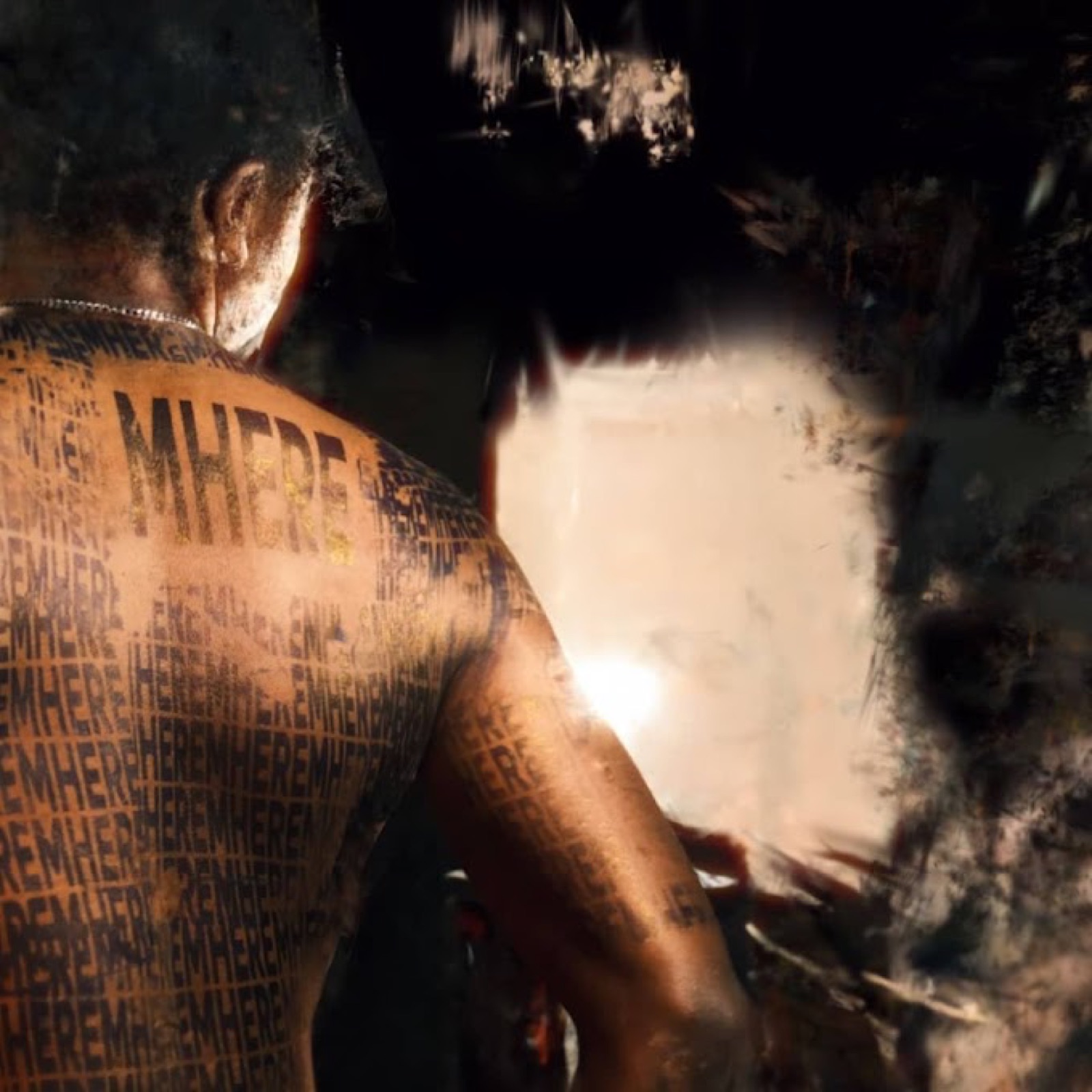
Mutsa has spent the last few years making the kind of rap that rewards a second and third listen: dense verses, film samples, poems and spoken testimony stitched between songs. With Radio Mhere, out since 13 October, he is still making that music. What has changed is how hard he is pushing it.
Radio Mhere is billed as his debut album, and it is a full-length statement: 17 tracks across 49 minutes, according to its Apple Music listing, released independently and available on all the major platforms.
From hobby to proper release
In an exclusive interview with The Zimbabwe Sphere (Zimsphere) ahead of release, Mutsa explained that the amount of time, money and other people's talent poured into the record, from production and mixing to mastering and visual identity, made it feel wrong to simply drop it and hope people found it. He wants that investment to earn as many listeners as possible, and he told the site that vinyl and CD editions are in the works.
The credits back that up. YouTube's distributor listings show Mutsa mixing the album himself and producing some of the beats, with outside beatmakers including TNIA on "pressure" and Swisher and Lovén on "wake the city up", and mastering by Uya Raye. The only billed feature is taona, on "ix4".
He is also openly reaching for a wider audience. "This is probably the most palatable project that I think I could currently make," he told Zimsphere, pointing to more hooks, more singing and more variety in the production and vocal layering. He is ready for the "he's gone Hollywood" comments, he said, and doesn't think the songs give up any of their substance.
Why "radio"?
The title carries a lot of weight. Mutsa told Zimsphere that radio started as a loose idea and grew into the album's backbone, shaping its samples, sequencing and structure. Short interludes titled "RM1", "RM2" and "RM3" are spread across the tracklist.
For him, radio means several things at once. In hip-hop it is the commercial gatekeeper, the thing underground fans distrust and every rapper still secretly wants to crack, and he wanted to explore that tension inside Zimbabwean hip-hop in particular. It is also history: he points to the role broadcasting played during Zimbabwe's liberation struggle, when radio carried ideas and brought people together. And it is personal. Living in the United States, he uses the image of a radio playing a song from decades ago to think about distance from home and from the people he loves.
Grief, heartbreak, frustration with the state of the world and a running fight against apathy all sit underneath. He says he still finds it easier to talk about his hopes, fears and traumas in the booth than anywhere else.
Where he's coming from
None of this comes from nowhere. In December 2024 Zimsphere reviewed his previous project, WE ARE RUNNING OUT OF SOIL TO BURY OUR DEAD, giving it 8.5 out of 10 and singling out its cinematic sampling, from The Sopranos and Sidney Lumet's Network to There Will Be Blood. The reviewers also noted that limited accessibility kept it off most mainstream listeners' radar.
He followed it in October 2025 with The Children Are Always Ours, an eight-track EP named after a James Baldwin line, with all proceeds pledged to charity, according to its Bandcamp page. Its themes were grief, childhood and loss, held up against hunger and war around the world.
Mutsa describes Radio Mhere as an upgrade rather than a reinvention, comparing it, with a Dragon Ball reference, to a character reaching a new power level. He hopes it will send new listeners back to the older records, which he plans to give fresh life.
Why it matters
Radio Mhere is a test case for a question local hip-hop keeps circling: can serious, writerly concept rap reach people without watering itself down? Most Zimbabwean rappers working in this lane release quietly and rely on word of mouth. Mutsa is treating a self-released, independently distributed album like a major release, with professional mastering, a visual identity, a press interview and physical formats on the way.
It also says something about the diaspora. Mutsa insists his music will always be Zimbabwean, whatever the Western influences, and a record about radio, distance and home is an attempt to keep talking to listeners here from the other side of the world.
If the push works, it gives other independent artists a blueprint. If it doesn't, he has already said he is fine with the album finding the people it is meant for. Either way, the vinyl and CD editions are the next thing to watch.
Sources
- Exclusive Interview: Mutsa talks everything about debut album Radio Mhere ahead of 13 October release, The Zimbabwe Sphere
- RADIO MHERE, MUTSA., Apple Music
- pressure, MUTSA. (album credits), YouTube
- Album Review: Mutsa, WE ARE RUNNING OUT OF SOIL TO BURY OUR DEAD, The Zimbabwe Sphere
- The Children Are Always Ours (EP), MUTSA., Bandcamp
Researched and drafted with the help of AI tools, then fact-checked and edited by our team. How we work.