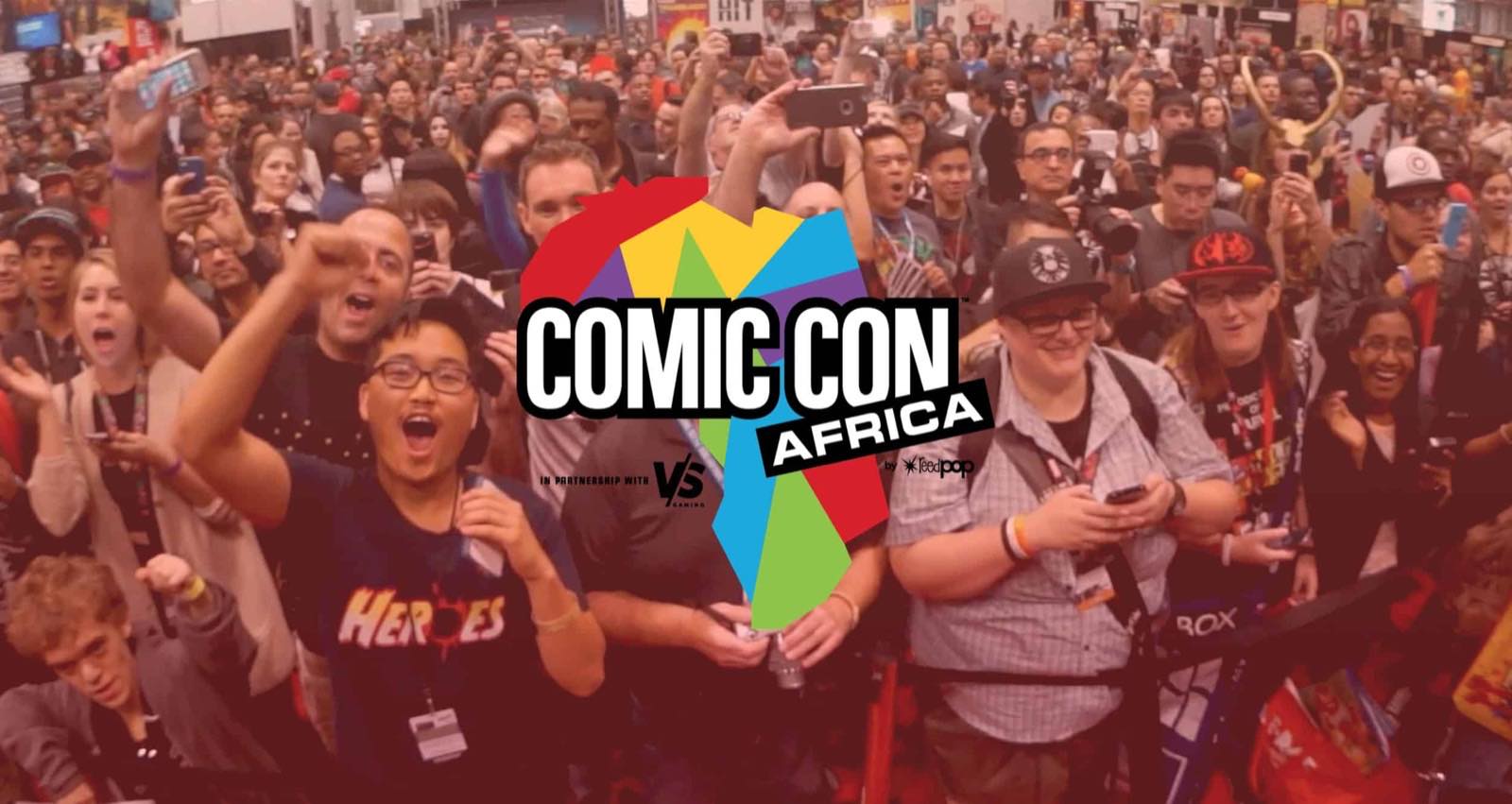
The doors at Nasrec open this morning on the sixth edition of Comic Con Africa, and for the next four days the Johannesburg Expo Centre belongs to cosplayers, collectors, gamers and anyone who has ever argued about which Spider-Man is the best one. The festival runs from 24 to 27 September, 09:00 to 18:00 daily, and it arrives carrying two things at once: a genuinely strong guest list, and the memory of a 2025 edition that not every fan walked away from happy.
Who's on the list this year
The headline name for gamers is Christopher Judge, the voice and performance behind Kratos in the modern God of War games, and before that Teal'c in Stargate SG-1. According to a detailed guide from Technology Blog SA, he's joined by a Rick and Morty cast spotlight featuring Ian Cardoni, Harry Belden and Spencer Grammer, the current voices of Rick, Morty and Summer, plus Alison Sealy-Smith, who voiced Storm in X-Men: The Animated Series and returned for X-Men '97.
There's a strong South African thread running through the celebrity lineup too. Several local actors from Netflix's live-action One Piece are on the programme, including Steven John Ward, who plays Dracule Mihawk. On the comics side, the official guest page lists international artists Jim Cheung and Mike Rooth alongside writer Sam Humphries, with homegrown names such as Clyde Beech, Jason Masters and Sean Izaakse flying the local flag.
Beyond the guests, the official programme includes the premiere screening of the Kagurabachi anime world tour, a dedicated anime and manga area called Otaku Town, the Artist Alley, esports on the Telkom VS Gaming stage, and daily casual cosplay. Tickets were selling at R270 for a single day and R750 for a four-day pass at the end of August, according to Technology Blog SA, and the event opens on Heritage Day, which makes the first day a public holiday in South Africa. Some guests only appear on certain days, so it's worth checking the schedule on the official site before planning a trip around one name.
From Kyalami to 70,000 fans
The scale is what makes Comic Con Africa different from anything else on the continent. RX Africa's own figures put the 2024 edition at 70,000 visitors across four days, with five stages and a planning cycle that ran to 21 weeks. Managing director Carol Weaving described it at the time as a bucket-list experience for many fans.
That growth has turned the event into a serious commercial platform. Big consumer brands now build full activations on the floor, and a Cape Town sister event has run every year since 2023, around the end of April.
The case against
Not everyone thinks bigger has meant better. Ruckus Media's review of the 2025 edition was blunt: it called the festival a tired rerun of previous years, reported that most fans they spoke to on day one told them some version of "We expected more!", and concluded that a day pass wasn't worth the money. Their sharpest criticism was aimed at the non-gaming brand activations, which they felt were recycled from earlier years, and at an event guide they described as mostly advertising, with little space given to smaller exhibitors who had paid for their stands.
It's a fair warning for a festival that now depends heavily on sponsors. When the brands on the floor matter more to the event's finances than the artists and collectors who built its reputation, the risk is exactly the one Ruckus describes, a big day out that feels more like a shopping centre than a fan convention. Other reviewers of the same edition were far warmer, which suggests the experience depends a lot on what you go for: the guests and Artist Alley tend to land, the brand zones are more hit and miss.
The careers behind the manga desk
Some of the most interesting names at Nasrec this year aren't on the celebrity posters. Kudi Maradzika, listed as a screenwriter, director, producer and performer, has had her work shown on Netflix, Paramount, Showmax and Comedy Central, and is the creator and executive producer of Netflix's Bad Influencer. Her company, Lincoln Green Media, develops African stories across screen, print and digital, and she's co-writing an Afrofuturist series set in the Yohance comics universe.
Over at the Pop-Taku stage, Kudzai "TaNyaKu" Ngundu of AfroTokyo is co-hosting a one-page manga masterclass, and his brother Elisha Ngundu is also on the guest list. AfroTokyo is a Harare-based studio run by the Ngundu brothers, known for an Afro-Japanese style they describe as "Afro-Japanese Art, brewed in an African Pot". Both Maradzika and the Ngundus are Zimbabwean, and both are there on the strength of their work, which is exactly how it should be.
What it means beyond Johannesburg
For Zimbabwean fans, Comic Con Africa is the nearest event of its size, and for creators it's a market of tens of thousands of people who are actively looking to buy prints, comics and original work. That matters because the home scene is still small. When Harare held its first Comexposed convention in 2015, BellaNaija reports, around 50 people turned up. The AfroTokyo brothers have credited Comexposed with showing them that a full-time career in manga and animation was even possible, and they're now teaching workshops at the continent's biggest pop culture festival.
That's the real story underneath the celebrity panels. Events like this give regional creators a stage and a paying audience they can't yet get at home, and the more Zimbabwean names turn up on the programme each year, the stronger the case for building something of similar ambition closer to home. For now, if you're in Joburg this weekend, the international guests will draw the queues, but the Artist Alley and the smaller stages are where you'll find the people worth following next.
Sources
- Comic Con Africa 2026, official site, guests and programme
- Comic Con Africa 2026: Dates, Tickets, Guests and Guide, Technology Blog SA
- Comic Con Africa 2024 draws 70,000 visitors, RX Africa
- Comic Conned, Ruckus Media
- Makoni and Mapondera are creating a whole world of comics and animation, BellaNaija
Researched and drafted with the help of AI tools, then fact-checked and edited by our team. How we work.