Africa has a strange relationship with oil. The continent pumps millions of barrels of crude a day, ships most of it abroad, and then pays to import the petrol and diesel that keep its kombis, trucks and generators running. A year of shocks in the Middle East has turned that old complaint into a live question: what would actually change if Africa refined its own fuel?
The round trip
The numbers behind the frustration are stark. Africa exports roughly 80% of its crude oil and spends about $30 billion a year on petroleum imports because it doesn't have enough working refining capacity, according to Afreximbank, as reported by Offshore Technology. The bank set aside $3 billion in 2025 to finance intra-African purchases of refined products, with executive vice-president Kanayo Awani saying "the time has come for Africa to take control of its energy destiny."
In plain terms, crude leaves African ports, gets refined in Europe, Asia or the Gulf, and comes back as finished fuel, with shipping, traders' margins and foreign-currency costs added at every step.
2026 put the model under stress
Then the Middle East caught fire. After the Iran conflict disrupted flows through the Strait of Hormuz earlier this year, countries that depend on Gulf fuel scrambled for other suppliers. Nigeria's Dangote refinery, re-rated to 700,000 barrels a day after maintenance in February, stepped into the gap. In March it said it had sold 12 cargoes totalling 456,000 tonnes to Ivory Coast, Cameroon, Tanzania, Ghana and Togo, according to Africanews, reaching as far as the East African coast.
Aliko Dangote was blunt about it, telling reporters, per CNBC Africa, that the refinery has the capacity to supply West, Central and East Africa. By CNBC Africa's count, 17 petrol cargoes went to African buyers in March alone. Output hasn't been steady all year, though. The refinery ran at about 71% of capacity in July, then averaged roughly 736,000 barrels a day in August, above its rated size for the first time, according to regulator data reported by Billionaires.Africa. (The refinery's share sale, which closes on 13 October, is a separate story.)
The refining map is spreading too. On 30 September, Dangote broke ground on a $16 billion, 700,000-barrel-a-day refinery at Lamu in Kenya, with Presidents Ruto and Museveni and Ethiopia's Abiy Ahmed in attendance, Africanews reported. A community land-rights case is still before the courts, and environmental groups object to heavy industry beside a UNESCO World Heritage site. Further south, Angola's Cabinda refinery, its first new one in about 50 years, began operating in May, according to MiningFocus Africa.
The catch: local refining isn't cheap fuel
Here is the part the self-reliance slogans tend to skip. Nigeria now has Africa's biggest refinery supplying its home market, and prices there still hit records this year. Pump prices jumped from around 830 naira to more than 1,300 naira a litre during the Hormuz disruption, according to Africanews, and CNBC Africa reported that Nigerian fuel prices reached record levels even with Dangote running near capacity, because the crude going into the refinery is still bought at world prices. Dangote has been pushing for more crude sold in naira precisely to bring local costs down.
So owning the refinery doesn't cancel out the oil price. What it changes is everything around it: shorter supply lines, less exposure to tanker routes through conflict zones, fewer dollars leaving the country, and jobs that stay at home.
South Africa is the cautionary tale running the other way. When refineries responsible for a large share of its capacity shut from 2020, imports filled the gap. Economists at the South African Reserve Bank now estimate, according to BusinessDay, that the oil import bill between 2021 and 2024 was R76 billion higher than it would have been had import dependence stayed near its historical level of about 25%, with 5,400 jobs lost. Heavier import reliance also weakens the rand, which pushes up the price of everything else a country buys from abroad.
What it means for Zimbabwe
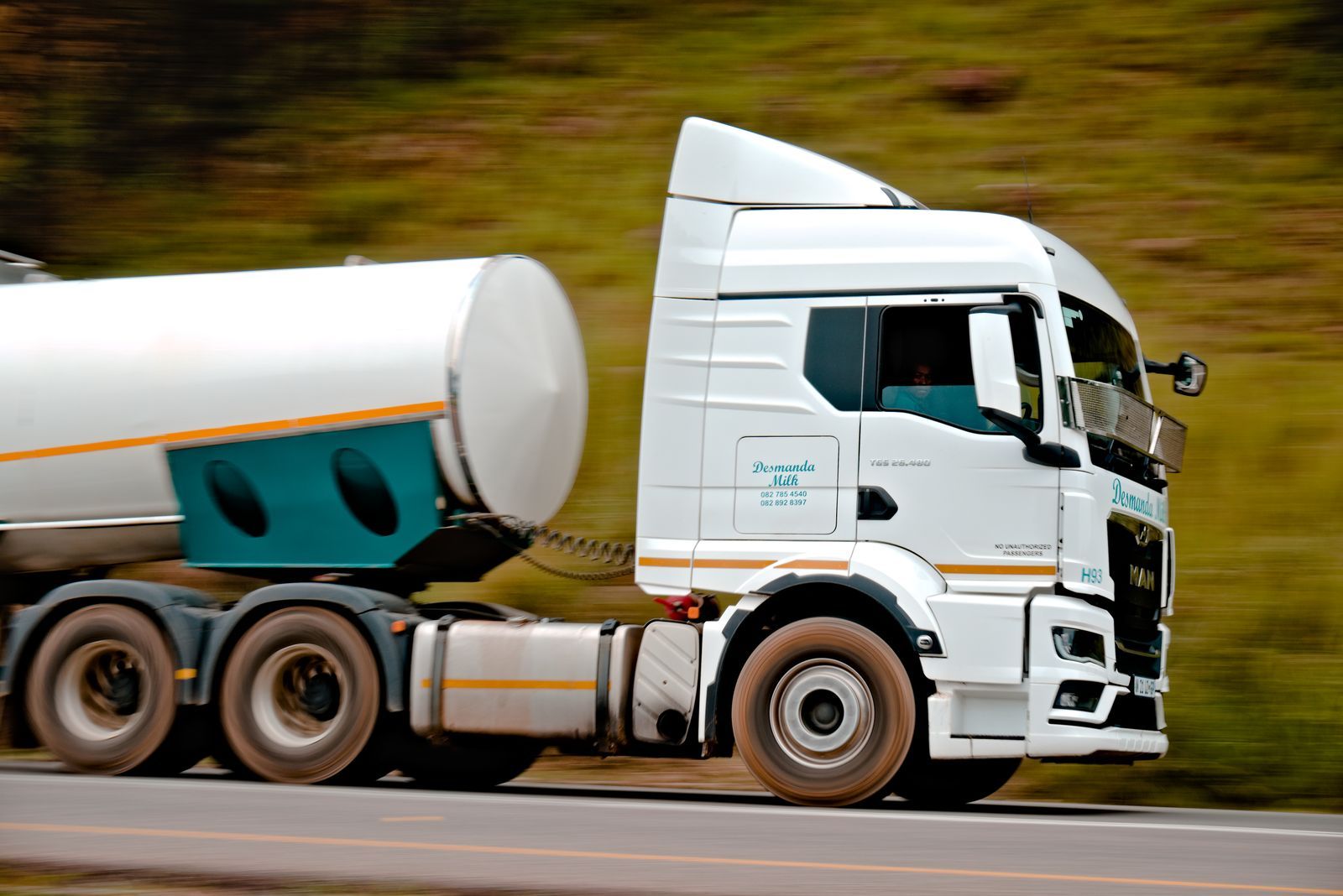
Zimbabwe has no crude and no refinery, so it sits at the very end of this chain. Most of what ends up in a Harare fuel tank comes in through Mozambique, much of it via the pipeline from the port of Beira to Feruka near Mutare, and it's priced off international markets.
The past month shows how exposed that leaves ordinary motorists. On 17 September, ZERA raised diesel to US$2.08 a litre from US$1.95 and blended petrol to US$2.06 from US$1.99, the second increase in eight days, ZimLive reported. The regulator pointed to tensions involving Iran and between Saudi Arabia and Yemen's Houthi rebels, saying government interventions remain in place to soften the blow.
A continent that refines more of its own oil wouldn't make that global crude price disappear. But it could make Zimbabwe's supply less hostage to what happens in the Gulf. A cargo loading in Lagos doesn't have to pass through the Strait of Hormuz to reach Beira. Buying from African refiners, with financing like Afreximbank's, could also keep more of the region's scarce foreign currency on the continent.
Harare and Maputo are already preparing for more volume. On 3 September, Presidents Mnangagwa and Chapo launched an expansion of the Beira to Feruka pipeline that will lift capacity from three million to five million cubic metres a year by the end of 2027, roughly two billion extra litres, serving Zimbabwe, Zambia, Malawi, Botswana and the DRC as well, according to NewZimbabwe.com. Whatever the fuel's origin, a bigger pipe means fewer trucks on the road and more room to hold reserves when prices spike.
A second route is on the table. In November 2025, Dangote signed an investment deal with Zimbabwe worth at least US$1 billion, CemNet reported, including a fuel pipeline of more than 2,000 kilometres from Walvis Bay in Namibia, through Botswana, to Bulawayo, according to Africanews. In September 2026 the group put a wider southern African network at around US$3.5 billion. It is still a concept, Green Building Africa cautions: Namibia, Botswana and South Africa haven't confirmed the route, and feasibility studies, financing and approvals across several countries are still to come. If it is built, Zimbabwe would gain a western supply line beside Beira and a direct link to an African refiner.
So, would it lower prices?
Honestly, only partly. Refining at home trims freight, middlemen and currency costs, and it cushions the worst supply panics. It doesn't free anyone from the world oil price, which is exactly what Zimbabwean motorists felt at the pump this September. The real prize of African fuel self-reliance is less about a cheaper litre on any given day and more about not being the last in line when the next crisis hits somebody else's shipping lane.
Sources
- Afreximbank allocates $3bn to enhance Africa's refining capacity, Offshore Technology
- Dangote refinery says begun fuel exports in Africa, Africanews
- Nigeria's Dangote refinery boosts exports to ease Africa's supply crunch, CNBC Africa
- Dangote Refinery raises processing capacity to 700,000 barrels per day, The Guardian Nigeria
- Dangote refinery tops 700,000 barrels a day for first time, Billionaires.Africa
- Dangote's $16bn Kenya refinery "new chapter" for Africa, Africanews
- Angola's Cabinda refinery begins operations, MiningFocus Africa
- Refinery closures cost South Africa R76bn as fuel imports hit consumers, BusinessDay
- Fuel prices jump again as global pressures bite, ZimLive
- Zimbabwe-Mozambique deal to boost Beira-Harare fuel pipeline capacity, NewZimbabwe.com
- Dangote signs deal with Zimbabwe to build 2,000km-long pipeline from Namibia, Africanews
- Dangote Group seals landmark US$1bn investment deal with Zimbabwe, CemNet
- Dangote's proposed US$3.5 billion southern Africa fuel pipeline faces feasibility questions, Green Building Africa
Researched and drafted with the help of AI tools, then fact-checked and edited by our team. How we work.